Blue Tulip Embroidery Review
In the world of digital embroidery, it is easy to get swept up in flashy, over-complicated designs that look impressive on a screen but fall apart under the needle. As a designer who spends hours testing files for client work and personal projects, I have learned to trust my gut feeling about a design’s potential before I even load the thread. That is exactly what happened when I first laid eyes on Blue Tulip Embroidery. It isn’t just another floral file; it carries a specific mood—one of quiet elegance and refined simplicity—that makes it stand out in a crowded market.
I approached this review not as a casual hobbyist, but as someone evaluating a tool for real-world application. Whether you are an Etsy seller looking to expand your shop inventory, a small business owner creating branded merchandise, or a crafter preparing personalized gifts, the viability of a design comes down to how well it translates from pixels to fabric. After spending time analyzing the structure, aesthetic, and practical applications of this piece, here is my honest assessment of where Blue Tulip Embroidery shines and where you might need to exercise caution.
The First Impression: Mood and Visual Personality
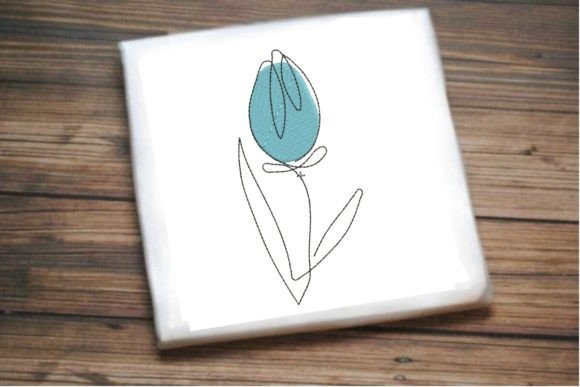
When you look at Blue Tulip Embroidery, the first thing that strikes you is its clean, sophisticated silhouette. Tulips are a staple in the Single Flowers category, often associated with springtime cheer or rustic farmhouse styles. However, this particular design leans into a more modern, serene aesthetic. The blue hue—whether interpreted as a soft periwinkle or a deep royal blue depending on your thread choice—evokes a sense of calm professionalism.
This is not a chaotic, multi-layered bouquet. It is a focused statement piece. For designers, this clarity is valuable. It means the design will hold its own on larger canvas items without getting lost, yet it remains delicate enough for smaller accents. The visual personality suggests versatility. It feels equally at home on a high-end boutique tote bag as it does on a cozy nursery pillow cover. This adaptability is rare in single-flower motifs, which often feel too generic for premium products.
Real-World Application: From Screen to Stitch
To truly understand the value of any machine embroidery design, you have to imagine it on actual products. Let’s walk through a few scenarios where I believe Blue Tulip Embroidery would perform exceptionally well.
Custom Apparel and Accessories
Imagine preparing a custom order for a client who wants a subtle, elegant logo on a sweatshirt. Placing Blue Tulip Embroidery over the heart area creates a timeless look that doesn’t scream for attention but invites closer inspection. Similarly, for a tote bag design, this motif works beautifully as a standalone graphic. Because tulips have strong vertical lines, they align naturally with the long axis of a tote, creating a balanced composition that looks professionally placed.
For sweatshirt embroidery, the design’s clean lines ensure that the stitches remain distinct against the textured fleece. It avoids the "blobby" look that can happen with overly dense fill stitches on thick fabrics. If you are an Etsy seller, this is a high-demand niche. Customers love floral themes because they feel personal and feminine without being overly fussy.
Home Decor and Nursery Items
One of the strongest use cases for this file is in home decor. A pillow cover featuring Blue Tulip Embroidery can instantly elevate a room’s aesthetic. The blue tone pairs effortlessly with neutral backgrounds like cream, grey, or soft white linen. In a nursery setting, it adds a touch of sophistication that appeals to parents who want something beyond the typical pastel animals or clouds. It serves as a perfect example of how a simple embroidery project can become a cherished keepsake.
Gifts and Seasonal Products
While tulips are strongly linked to spring, their elegance makes them suitable for year-round gifting. Think of a mother’s day gift, a bridal shower present, or a personalized gift for a colleague. The design’s refined nature makes it appropriate for professional relationships as well as intimate ones. For holiday embroidery, consider using metallic threads to give the blue tulip a festive, wintery sparkle, transforming it from a seasonal flower into a decorative accent.
Where Caution Is Required
No design is perfect for every surface. As a reviewer, I must highlight the areas where Blue Tulip Embroidery requires careful handling to ensure a successful outcome.
- Small Hoop Sizes: If the design includes intricate detailing, attempting to stitch it in a very small hoop may result in loss of definition. Always check the recommended hoop size provided by the creator. If you are working with tiny patches or hat panels, ensure the stitch count allows for clear separation between elements.
- Textured and Stretchy Fabrics: While this design works well on stable cottons and linens, be cautious with highly textured fabrics like chunky knits or stretchy jersey unless you use adequate stabilizer. On stretchy materials, the tension of the stitches can cause puckering if not managed properly.
- Dark Fabrics: The impact of blue thread on dark fabric depends entirely on the shade. A light blue tulip on navy might lack contrast. Test your thread colors carefully. Sometimes, adding a white backing or using a higher density satin stitch can help the design pop against darker backgrounds.
- Curved Surfaces: Applying this design to curved surfaces like caps or sleeves requires precise positioning. The symmetry of the tulip might look distorted if the fabric curves unevenly during stitching.
Designer Notes for Best Results
Before you commit to a full production run, follow these practical steps to ensure your finished product meets professional standards.
- Test on Scrap Fabric: Never skip this step. Stitch the design on the exact fabric you plan to use. This reveals issues with thread breakage, tension, or color mismatch that aren’t visible on screen.
- Check Stitch Density: Review the stitch density of the file. If the fill areas are too dense, the fabric may become stiff and uncomfortable. If it is too sparse, the fabric texture may show through, ruining the clean look of the tulip.
- Inspect Small Details: Zoom in on the digital preview. Are there tiny running stitches that might fray? Are the satin stitches wide enough to hold their shape? Inspecting these details beforehand saves you from unhappy customers later.
- Use Proper Stabilizer: The right stabilizer is crucial. For woven fabrics, cut-away stabilizer provides lasting support. For knits, tear-away might suffice for lighter designs, but always err on the side of more support for commercial goods.
- Mockup Testing: Create a black and white mockup to check the contrast and layout. This helps you visualize the design’s form without the distraction of color.
Commercial Viability and Brand Consistency
For those selling handmade products, consistency is key. Blue Tulip Embroidery offers a versatile aesthetic that can anchor a brand identity. It works well for commercial embroidery projects where you want to convey quality and taste. Whether you are creating design assets for print-on-demand services or crafting physical goods for a craft fair, this design adds a layer of polish.
However, always confirm the licensing terms. Ensure you have the right to sell finished items made from this digital embroidery file. Some creators restrict commercial use, while others allow it with attribution. Respecting these terms protects your reputation as an ethical craft business owner.
Final Verdict
Blue Tulip Embroidery is a thoughtful, well-executed design that brings elegance to a variety of projects. Its strength lies in its simplicity and adaptability. It is not trying to be everything to everyone; instead, it offers a refined floral element that enhances whatever product it adorns. For designers seeking to add a touch of sophistication to their handmade product line, this is a worthy addition to your library. Just remember to test thoroughly, choose your threads wisely, and respect the fabric’s limitations. When done correctly, the result is a beautiful, durable piece that customers will appreciate.