Delicate Borders Embroidery Design Review
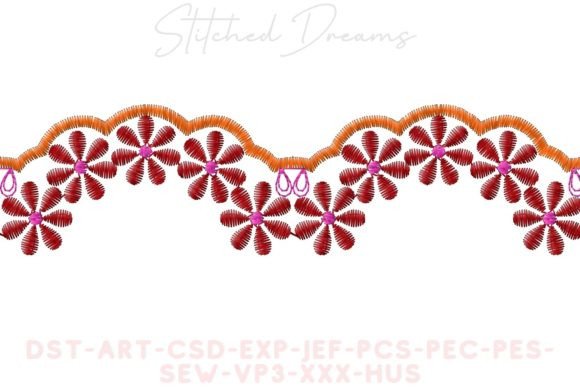
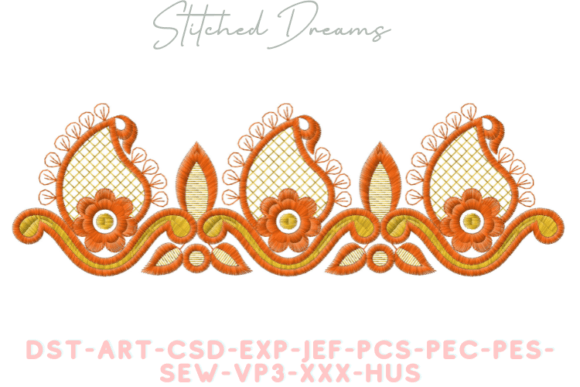
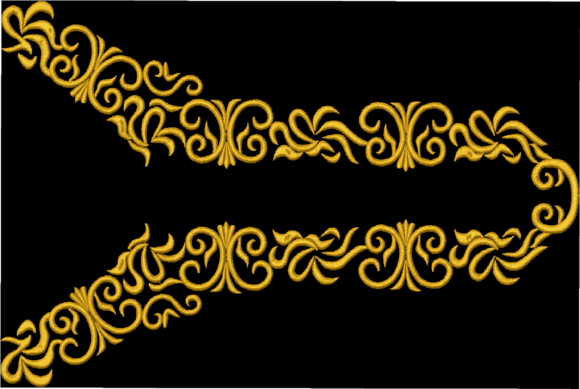
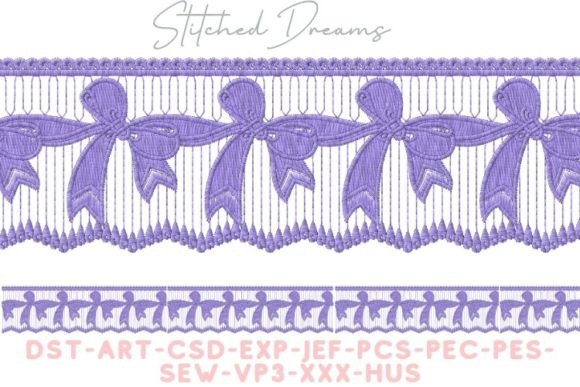
As an experienced embroidery designer preparing for a busy weekend craft fair, I spend a lot of time evaluating digital files before they ever touch the fabric. When I first opened Delicate Borders Embroidery Design, my immediate reaction was one of refined elegance. The description paints a picture of an exquisite composition featuring intricate floral and geometric patterns, punctuated by graceful bows. This isn't just a simple frame; it is a sophisticated design asset that promises to elevate any handmade product from a basic utility item to a premium gift.
In the competitive world of handmade markets, visual appeal is everything. Customers often make split-second decisions based on what catches their eye at a booth display. Delicate Borders Embroidery Design hits the sweet spot between rustic charm and modern sophistication. It feels soft yet structured, making it versatile enough for farmhouse-style kitchen items or chic boutique accessories. For an Etsy seller or a small shop owner, this design offers the kind of high-end look that justifies a higher price point without requiring hours of hand-stitching.
Strategic Product Applications for Craft Fairs
When planning my table display for the upcoming market, I immediately visualized how this machine embroidery design would perform across various products. The versatility of borders makes them ideal for framing other elements or standing alone as a statement piece. Here is where I believe Delicate Borders Embroidery Design will shine brightest in a real-world selling scenario.
- Tote Bag Design: A tote bag is a staple at every craft fair. Placing this border along the bottom hem or framing a central motif creates a professional finish. The graceful bows add a playful touch that appeals to shoppers looking for stylish everyday carry.
- Apron Embroidery: For the home cook or artisan, an apron with these intricate floral and geometric patterns adds instant character. The border works beautifully along the bib or the waist tie, turning a functional garment into a decorative piece.
- Tea Towel Embroidery: Kitchen textiles are high-margin sellers. Using this design to frame a monogram or a seasonal phrase transforms a standard tea towel into a giftable item. The delicate nature of the stitches contrasts well with the textured weave of linen or cotton towels.
- Embroidered Patch: If you cut out sections of the border, they can serve as unique patches for jackets or bags. The geometric elements provide structure, while the flowers add softness, making them perfect for customizing denim or canvas.
- Pillow Covers: For larger items like pillow covers, this design acts as a stunning focal point. It frames the center of the cushion perfectly, adding depth and texture that flat prints cannot achieve.
- Fabric Pouches and Market Bags: Small pouches for cosmetics or jewelry benefit from the compact nature of the border. It wraps around zippers or drawstrings elegantly, creating a cohesive look for your booth inventory.
Photography and Visual Appeal
One of the most critical aspects of selling online or at a physical booth is how the product photographs. Delicate Borders Embroidery Design has excellent potential for printable mockups and actual photography. Because the design features both fine lines and distinct shapes, it captures light well, highlighting the texture of the thread against the fabric.
The intricate details suggest a premium quality that customers associate with handmade value. When listing this as a commercial embroidery product or a finished good, the photos need to show the density of the stitching. The combination of floral motifs and geometric precision ensures that the image looks complex and valuable, even from a distance. This is crucial for grabbing attention in a crowded marketplace where buyers are scanning rows of similar goods.
Production Practicality and Batch Efficiency
From a production standpoint, efficiency is key for anyone running a small business. Is this design easy to understand at a glance? Yes. Does it work well for batch production? Absolutely. The repetitive nature of borders allows for quick hooping and consistent results, which is essential when fulfilling orders for a craft fair or restocking an Etsy seller shop.
However, there are practical considerations to keep in mind regarding stitch density and fabric choice. The description mentions "intricate" patterns, which implies a higher level of detail. You must ensure that your stabilizer choice supports these fine threads to prevent puckering. Dense stitch areas can sometimes cause fabric distortion if not handled correctly, especially on lighter materials.
For best results, test the design on scrap fabric before committing to your final product. Check the thread colors to ensure they offer enough contrast against your chosen fabric texture. If you are working with dark fabrics, you may need a underlay or specific thread weights to maintain clarity. Additionally, confirm the hoop size required for the full border pattern to avoid mid-design breaks that could ruin the flow of the embroidery.
Important Technical Considerations
While this design is exquisite, certain limitations exist that every embroiderer should respect. Tiny details within the floral or geometric sections might lose clarity if scaled down too much. Therefore, this design is likely better suited as a medium-to-large accent rather than a tiny logo on a cap.
If you plan to use this on curved surfaces like caps, be aware that the tension varies significantly across the curve. Thick fabrics or highly textured towels can also challenge the needle, potentially causing skipped stitches in the densest parts of the bow or flower centers. Always inspect the finished product closely for any loose threads or gaps in coverage before packaging for sale.
Building Brand Consistency and Value
Using a cohesive design language helps build a strong brand identity. Delicate Borders Embroidery Design fits seamlessly into a brand focused on elegance, craftsmanship, and timeless style. By consistently using this border across different product lines—whether it is a set of matching tea towels or a collection of embroidered pouches—you create a recognizable aesthetic that encourages repeat customers.
The design's ability to convey "handmade quality" is its greatest asset. In an era of mass-produced goods, the slight imperfections and tangible texture of machine embroidery signal care and effort. This perceived value allows you to position your items as premium gifts or luxury accessories, appealing to buyers who are willing to pay more for authenticity.
Final Designer Notes for Success
Before you rush to produce your inventory for the next market, remember that preparation is the secret to success. Verify all technical specifications such as file formats, exact stitch counts, and commercial licensing terms directly from the source. These details are vital for ensuring your digital embroidery file performs exactly as expected on your specific machine.
Create at least one real mockup to see how the design behaves in 3D space. Compare different fabric colors to find the perfect pairing that makes the embroidery file pop. Finally, ensure you have the right stabilizer and needles for the job. By taking these careful steps, you transform Delicate Borders Embroidery Design from a simple digital file into a standout product that sells itself.
Whether you are a boutique maker, a creative entrepreneur, or a dedicated crafter, this design offers the flexibility to adapt to your unique vision. With the right execution, it will become a cornerstone of your craft fair product line, drawing eyes to your booth and hearts to your brand.