Retro Rollerskate Mini Embroidery Review
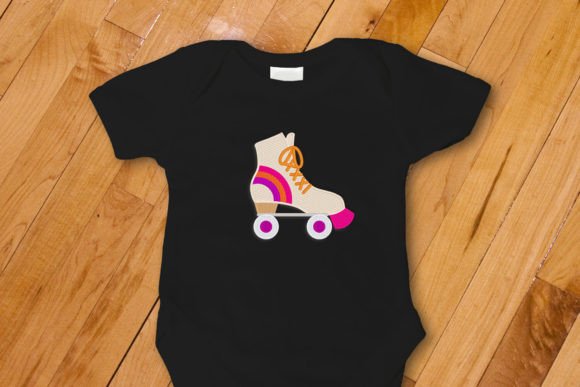
When I first opened the file for Retro Rollerskate Mini Embroidery, my immediate reaction wasn't about the technical specs, but about the vibe. There is a specific energy that comes from vintage sports motifs, and this design captures it perfectly. It feels nostalgic, playful, and undeniably cool. As someone who spends hours evaluating digital assets for client work and my own boutique line, I look for designs that translate well from a screen to fabric. This piece has a distinct personality that suggests it belongs on a worn-in denim jacket, a canvas tote, or perhaps a baby's onesie. The concept of a roller skate with retro stripes immediately evokes a sense of motion and fun, making it an excellent candidate for brands targeting youth culture or those wanting to add a touch of whimsy to their collection.
First Impressions and Visual Personality
The layout of Retro Rollerskate Mini Embroidery is compact yet detailed enough to hold attention without overwhelming the garment. In the world of embroidery, size matters immensely, especially when dealing with mini designs. The description notes that on the smallest size, the outlines utilize bean stitch instead of satin. This is a crucial detail for any designer reviewing the file. Satin stitch can sometimes struggle on very small scales, creating a clumpy appearance if the thread density isn't perfect. By switching to bean stitch, the designer has likely optimized the file to ensure clean lines even at a reduced scale. This shows a thoughtful approach to the mechanics of machine embroidery.
The theme fits squarely into the Sports category, but its appeal extends far beyond athletic wear. It has a lifestyle quality that makes it versatile. Whether you are creating a custom sweatshirt for a local skating club or designing a patch for a vintage-style backpack, this design bridges the gap between sporty and streetwear. The visual clarity is high, which is essential for maintaining brand consistency in your finished products. When a customer sees a crisp, well-executed logo or motif, it builds trust in the quality of the handmade item. This design promises that level of professionalism right out of the hoop.
Real-World Application: A Case Study
Let's imagine a real scenario where I decided to use Retro Rollerskate Mini Embroidery for a specific project. I was preparing a batch of custom embroidered tote bags for a summer craft fair. These were intended as gifts for young skaters and parents looking for unique, personalized items. I selected a heavy-duty cotton canvas for the bags to provide a sturdy base. The challenge with tote bag designs is often balancing the weight of the embroidery with the drape of the fabric.
I started by hooping the canvas with a cut-away stabilizer to prevent puckering. When I ran the first test, the retro stripes popped beautifully against the natural canvas color. The bean stitch outlines held up well, showing no signs of thread breakage or distortion. However, I noticed that on the smaller version of the design, the details were just barely legible from a distance. This taught me that while the design is technically "mini," it works best when placed on a larger surface area where the eye can appreciate the nuance. If I had tried to put this same tiny version on a cap brim, it might have gotten lost. For the tote bags, however, it was perfect. The customers loved it because it felt authentic and not overly commercial. It added value to the product, turning a simple bag into a statement piece.
This experience highlighted how important context is. Retro Rollerskate Mini Embroidery shines on apparel like sweatshirts and t-shirts where there is ample flat space. It also works wonderfully on baby clothes, adding a cute touch to nursery decor or holiday gifts. The versatility allows it to be used for commercial embroidery projects, Etsy listings, and small shop products alike. But remember, the success of the final product depends heavily on your execution.
Where to Exercise Caution
While this design is robust, there are specific situations where you need to be careful. Embroidery is a physical process, and certain fabrics and surfaces present challenges. If you are working with stretchy fabric like jersey knit, you must use a high-quality stabilizer, or the tension of the stitches could cause the fabric to pucker significantly. Similarly, textured fabrics can hide the fine details of the retro stripes, so smooth materials like twill, denim, or cotton poplin are safer bets.
Dense stitch areas can be problematic if the design is placed near seams or edges. Always check the stitch density before running a full production run. If the design is too dense for the fabric weight, it may create a stiff, board-like feel that reduces the comfort of the garment. This is particularly important for baby embroidery, where softness is a priority. Additionally, if you plan to sell these items, consider how they will hold up after frequent washing. Dark fabrics can sometimes make light-colored threads disappear, so testing thread color contrast is non-negotiable. On curved surfaces like caps, the design might distort if the machine settings aren't adjusted for the curvature. Always inspect small details closely to ensure nothing gets lost in the stitching process.
Practical Designer Notes for Success
Before you commit to using Retro Rollerskate Mini Embroidery in a commercial project or a personal gift, there are several steps every professional should take. First, always test the design on scrap fabric. This allows you to see how the thread colors interact with different backgrounds and ensures the stitch density is appropriate for your specific machine. Check the hoop size requirements; if the design exceeds your machine's standard hoop, you may need to reposition it, which can affect the alignment.
Review the file format and confirm compatibility with your embroidery machine. While the description mentions the use of bean stitch for outlines, you should verify if the file includes any applique components or if it is purely stitched. Understanding whether you need a specific type of stabilizer is also vital. For instance, tear-away might work for stable fabrics, but cut-away is better for stretchy materials or items that will undergo heavy wear. Don't forget to compare light and dark fabric backgrounds in your mockups to visualize the final look. If you are selling digital embroidery files, ensure you have clear licensing terms regarding commercial use and resale rights.
Finally, think about the overall aesthetic of your brand. Does Retro Rollerskate Mini Embroidery fit the narrative you are building? If your shop focuses on vintage aesthetics or active lifestyles, this design is a strong asset. It enhances the perceived value of your handmade products and engages buyers who appreciate unique, handcrafted details. By taking the time to evaluate the design thoroughly and test it in real-world scenarios, you ensure that your finished product meets the high standards your customers expect.