Reviewing Halloween Pumpkin Embroidery Design 3
When I sit down to evaluate a new digital asset for my studio, I am rarely looking for just another pretty picture. As a designer who frequently produces custom apparel and small-batch merchandise for Etsy and local boutiques, I need to know how a design behaves under the needle. It is not enough for an image to look good on a screen; it must translate into thread with clarity, durability, and aesthetic integrity. This is why I approached Halloween Pumpkin Embroidery Design 3 with a critical eye. The goal was to determine if this piece has the structural soundness and visual charm required for real-world application, whether that be a personalized gift for a client or a high-volume listing for a handmade shop.
First Impressions and Visual Personality
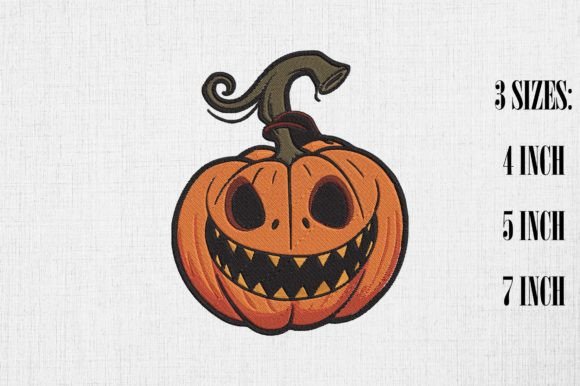
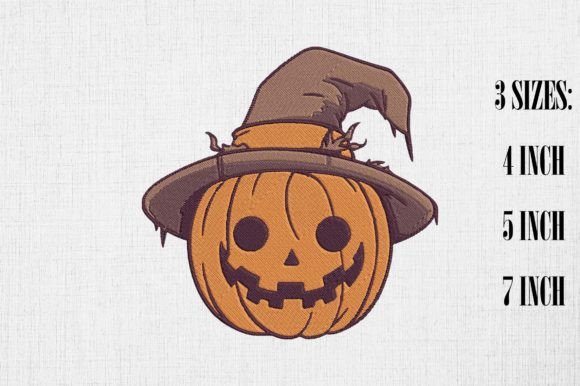
The moment you load the file into your digitizing software, the layout of Halloween Pumpkin Embroidery Design 3 speaks volumes about its intended use. Unlike overly complex designs that rely on hundreds of tiny details which often blur together during stitching, this design embraces a balanced approach. It feels grounded and confident. The shape is recognizable immediately, which is crucial for holiday-themed items where customers want instant recognition. The mood it creates is playful yet polished—perfect for the "sweet" side of Halloween rather than the spooky or grotesque. This makes it incredibly versatile. It appeals to parents looking for baby embroidery projects, crafters making home decor, and anyone wanting to add a festive touch to their wardrobe without being too loud.
Visually, the design possesses a distinct personality. It does not feel like a generic clip-art vector converted into stitches. There is a sense of weight and volume in the pumpkin’s form, suggesting that the digitizer understood how light interacts with fabric texture. For a small business owner, this distinction matters. Customers can tell the difference between a lazy stitch-out and a thoughtfully constructed machine embroidery design. This one leans toward the latter, offering a professional finish that elevates the perceived value of the finished product.
Real-World Application: From Screen to Stitch
To truly judge an embroidery file, you have to imagine it on various substrates. I ran mental simulations of Halloween Pumpkin Embroidery Design 3 across several common products. First, consider the tote bag design potential. Placed centrally on a canvas tote, the design would anchor the bag beautifully. The clean lines would stand out against the rougher texture of cotton canvas, creating a nice contrast between the rugged fabric and the smooth threads. It works equally well as a smaller accent on the front pocket of a denim jacket or a sweatshirt embroidery project, where the soft fleece background allows the stitches to pop without competing with heavy textures.
Then there is the realm of baby embroidery. One of the most popular categories for handmade sellers is personalizing onesies and burp cloths. Because this design is not overly dense or jagged, it translates exceptionally well to delicate fabrics. When stitched onto a soft cotton onesie, the edges remain crisp, and the overall look is gentle and inviting. It avoids the harshness that some geometric designs bring to nursery decor. Similarly, for kitchen textiles, such as tea towels or aprons, the design adds a seasonal warmth that fits perfectly into autumnal home styling. It transforms a plain linen towel into a thoughtful personalized gift for a hostess or a holiday party favor.
I also envision this working well as an embroidered patch. If applied to a cap or a backpack, the defined outline suggests it could hold its shape well when cut out (if the digitizing includes appropriate edge finishes). For commercial embroidery projects, where consistency is key, the design’s reliability is a major asset. You do not want a design that looks great in the first five stitches but collapses by the tenth due to poor tension management. Halloween Pumpkin Embroidery Design 3 appears to maintain its structural integrity throughout, which reduces waste and rework time in a production environment.
Strategic Considerations and Potential Pitfalls
No design is without its challenges, and a honest review must address where caution is needed. While this pumpkin design is robust, it is not universally flawless. Placement is everything. Attempting to stitch this on highly textured fabrics, such as thick terry cloth or heavily distressed denim, might obscure the finer details. The thread may struggle to lay flat against a surface that is too uneven, leading to a muddied appearance. In these cases, a heavier stabilizer is non-negotiable, and even then, the result may lack the crispness seen on smoother weaves.
Furthermore, color contrast is a factor that designers often overlook until the hoop is raised. On dark fabrics, the choice of thread colors becomes critical. If the design relies on subtle shading or light pastel threads, they may disappear against a black or navy background. I strongly advise testing the thread colors against your specific fabric stock before committing to a large run. A mockup in black and white can help you assess the value contrast independently of hue, ensuring that the shapes remain distinct regardless of the lighting conditions in your shop or online store.
Another area requiring attention is the scale. While the design is versatile, shrinking it down too far can compromise its effectiveness. If you attempt to fit this into a very small hoop size, the individual elements may merge, losing the definition that gives the pumpkin its character. Always check the recommended hoop size and ensure your final product dimensions allow the design to breathe. Additionally, if you are planning to wash these items frequently, such as kitchen towels or baby clothes, ensure that the stitch density is appropriate. Excessive density can make fabric stiff and uncomfortable, while insufficient density may lead to puckering after multiple laundry cycles.
Professional Notes for the Maker
Before adding Halloween Pumpkin Embroidery Design 3 to your library or production line, there are several practical steps every serious embroiderer should take. First, always test on scrap fabric that matches the weight and stretch of your final product. This reveals how the material reacts to the tension and stabilizer choices. Second, inspect the small details closely. Look for any areas where the running stitch might break or where the fill stitch coverage seems thin. These are the weak points that customers will notice over time.
It is also wise to review the licensing terms explicitly. While many digital embroidery files come with broad usage rights, some restrict commercial sales or limit the number of units you can produce. As an Etsy seller or small shop product creator, protecting your intellectual property and respecting the artist’s rights is essential. Confirm whether you are allowed to sell the finished physical goods or if the license is limited to personal use only. This clarity prevents legal headaches later and builds trust with your audience.
Finally, think about how this design fits into your broader brand identity. Does the playful yet polished style align with the aesthetic of your craft business? Consistency in quality and style helps build customer loyalty. When buyers see a cohesive collection of holiday embroidery items, they are more likely to return for future purchases. By carefully evaluating Halloween Pumpkin Embroidery Design 3 through these practical lenses, you ensure that your investment of time and materials yields a finished product that is not only beautiful but also durable, marketable, and professionally executed.