Round Xmas Embroidery Patterns: A Designer's Honest Review
As an embroidery designer who has spent years refining stitches for everything from boutique apparel to delicate nursery decor, I approach every new download with a mix of excitement and caution. Recently, I came across Round Xmas Embroidery Patterns on Creative Fabrica. My intention was simple: evaluate whether this design asset could seamlessly integrate into my workflow for upcoming holiday orders, specifically for tote bags, aprons, and custom sweatshirts.
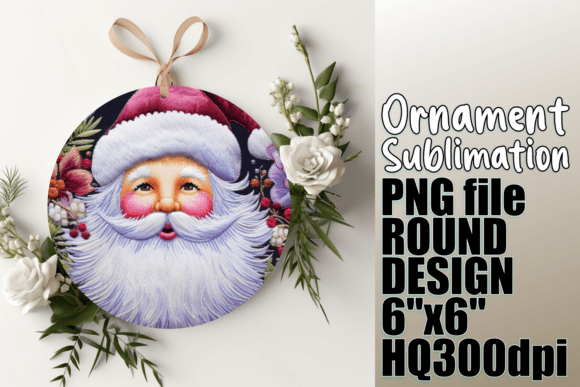
However, before diving into the creative possibilities, there is a critical detail in the product description that demands immediate attention. The listing states that to effectively use this file, a thorough understanding of sublimation is essential. This is a significant pivot point. While the category lists this under Crafts and Graphics, the instructions suggest it may not be a traditional machine embroidery file ready for immediate stitching. For those of us looking for a standard embroidery file to load directly into our machines, this distinction changes everything. If you are planning to use this for commercial embroidery, you must verify the file format and intended output method before purchasing.
First Impressions and Visual Potential
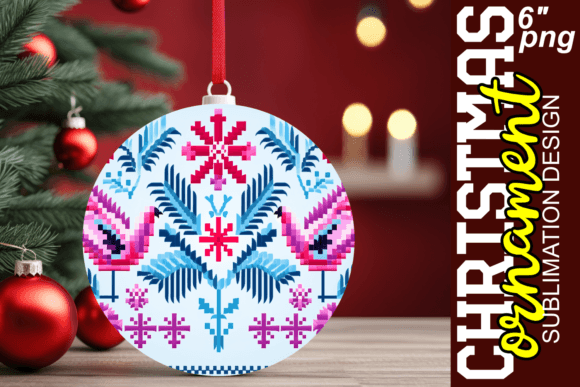
Assuming the visual assets align with your needs, the "Round Xmas" concept offers a classic aesthetic that fits perfectly with seasonal collections. The circular motif provides a natural focal point, making it ideal for centered placements on custom apparel like crewneck sweatshirts or structured caps. In the world of handmade gifts, round designs often convey a sense of completeness and warmth, which resonates well with customers looking for personalized gifts.
The mood of such a pattern suggests high decorative appeal. Whether intended for a kitchen towel or a pillow cover, the round shape allows for balanced composition. However, if this design relies on sublimation techniques rather than thread, its application shifts entirely. Sublimation is fantastic for full-color, photographic results on polyester blends, but it requires specific fabric types. It cannot be used on 100% cotton or dark fabrics without special pretreatment. Therefore, the finished product value depends heavily on the substrate you choose. If you are selling to craft fair attendees who expect the texture of thread, ensure this file delivers what they anticipate.
Real-World Application Scenarios
Let's imagine using this asset for a real project. Suppose you are creating a line of holiday tote bags. If the file is a digital graphic for sublimation, you would print it onto transfer paper and apply heat to a polyester-lined bag. The result would be vibrant and durable, suitable for frequent washing. Conversely, if you were aiming for a traditional tote bag design using thread, you would need to check if the design includes specific stitch types like satin stitch for outlines or fill stitch for coloring.
For small business owners and Etsy sellers, versatility is key. A round Christmas design can easily transition from a large chest logo on a sweatshirt embroidery piece to a smaller accent on a baby blanket. The scalability of a circular motif is excellent for maintaining brand consistency across different products. You might use the same core image for a printable mockup to advertise your shop, then adapt it for the physical item. This dual-use capability enhances efficiency, provided the file specifications match your production goals.
Navigating Technical Challenges
When evaluating any design for handmade product creation, practical constraints always come into play. Even if the visual is perfect, the execution must hold up under stress. If this design were to be stitched (assuming compatibility), several factors would determine success:
- Hoop Size and Stitch Density: Small hoop sizes limit the area available for complex details. If the Round Xmas Embroidery Patterns contains intricate elements, they might get lost in tiny lettering or dense stitch areas. Always review the stitch density to prevent puckering, especially on stretchy fabrics.
- Fabric Compatibility: Working with textured fabric or dark fabric presents unique challenges. Dark fabrics require a high contrast in thread colors to ensure visibility. If the design relies on subtle shading, it may appear muddy on a navy or black background unless a stabilizer is used correctly.
- Curved Surfaces: Applying a flat design to a curved cap surface requires careful digitizing or stretching during the hooping process. Without proper adjustment, the round shape may look distorted.
- Durability: Products that need frequent washing, such as aprons or kitchen towels, demand robust construction. Loose running stitch or low-density fill stitches might unravel over time. Ensuring the design is optimized for durability is crucial for customer satisfaction.
If the file is indeed for sublimation, the technical focus shifts to heat press temperature, pressure, and fabric composition. Polyester content is non-negotiable for true sublimation bonding. Using this on cotton will result in fading or peeling after the first wash. This is why the warning about needing requisite software and equipment is so vital. You cannot simply buy the file; you must own the machinery to realize its potential.
Impact on Brand and Customer Trust
In the competitive landscape of creative entrepreneurs, the quality of your presentation dictates your reputation. A well-executed design boosts buyer trust and enhances visual appeal. When a customer receives a handmade gift that looks professional, they are more likely to leave positive reviews and return for future purchases. Conversely, a mismatch between expectation and reality—such as ordering an embroidered patch when receiving a sublimated transfer—can damage your brand consistency.
Product photography also plays a role. High-resolution images of the design assets allow you to create compelling listings. If you are selling digital downloads or finished goods, clear imagery helps manage expectations. Customers should know exactly what they are getting: a digital file to print, or a pre-digitized pattern to stitch. Transparency here prevents returns and builds long-term loyalty.
Practical Steps Before You Start
Before integrating Round Xmas Embroidery Patterns into your inventory, follow these essential steps to ensure a smooth workflow:
- Test on Scrap Fabric: Never start with your final product. Run a test on a scrap piece of the same material to check how the design interacts with the fabric grain and texture.
- Review File Details: Go back to the Creative Fabrica product page. Confirm the file format. Is it .DST, .PES, .EXP for machine embroidery? Or is it .PNG, .SVG, or .PDF for sublimation? Do not guess.
- Check Licensing Terms: Understand the commercial usage rights. Can you sell unlimited items? Are there restrictions on the number of units? This protects your business legally.
- Inspect Small Details: Zoom in on the preview images. Are there tiny elements that might break down during production? Ensure the design remains legible at the intended size.
- Confirm Stabilizer Needs: Depending on the fabric, you may need cut-away, tear-away, or water-soluble stabilizers. Proper support prevents distortion.
- Compare Mockups: Look at both light and dark fabric mockups to visualize the final contrast. Adjust your color palette accordingly.
Final Thoughts on Value
Round Xmas Embroidery Patterns holds promise as a versatile design element for the holiday season. Its round shape offers a timeless appeal suitable for various projects, from applique design accents to full-body prints. However, the mention of sublimation requirements means it is not a plug-and-play solution for traditional machine embroidery enthusiasts without further investigation.
For those equipped with the right software and equipment, this file could be a valuable addition to your digital embroidery file library or sublimation toolkit. It allows for the creation of unique embroidered patches, festive kitchen towel designs, or stylish pillow covers. But for the average crafter expecting a standard machine-ready file, the learning curve regarding sublimation might be steep.
Ultimately, the decision rests on your specific setup and goals. If you have the hardware to handle sublimation, this design offers a great opportunity to expand your craft fair products or boutique merchandise lines. Just remember to read the fine print, test thoroughly, and ensure your production process matches the file's capabilities. By doing so, you protect your investment and deliver a high-quality handmade product that your customers will love.