Spider Machine Embroidery Design Review
I recently received the Spider Machine Embroidery Design for review, and my immediate thought was not just about the Halloween season, but about how this design would perform on a crowded craft fair table. As an experienced designer who has spent years turning digital files into tangible products that sell, I look at every file with a critical eye. Does it capture attention? Is it practical to produce in volume? Will it hold up after washing? This design promises a "web of intrigue," and after analyzing its potential for various handmade goods, I have some concrete thoughts on where it fits best in your inventory.
The First Impression: Intrigue Meets Detail
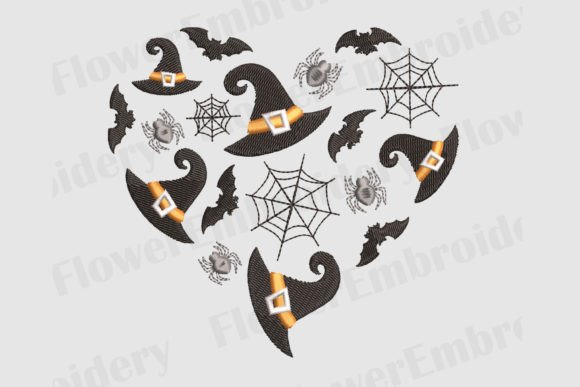
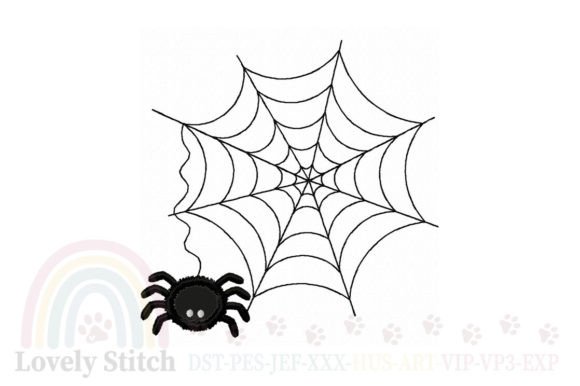
When you first look at the description of the Spider Machine Embroidery Design, the language suggests a piece that is more than just a simple icon. The phrase "detailed spider weaving its delicate web" implies a level of intricacy that can be very attractive to buyers looking for premium handmade items. In the world of machine embroidery design, there is often a fine line between cute and cluttered. A design that captures the act of weaving requires careful placement of stitches to ensure the legs and the web strands are distinct rather than merging into a dark blob.
This design feels festive yet decorative, making it suitable for those who want to add a touch of spooky charm without being overly aggressive or cartoonish. For a booth display, this kind of visual interest is crucial. It stops the scroll on an Etsy listing and catches the eye of a passerby walking down a market aisle. It strikes a balance that works well for handmade product sellers who cater to both seasonal shoppers and year-round collectors of unique textiles.
Product Potential: Where This Design Shines
If I were setting up a weekend booth tomorrow, I wouldn't put this design on just one item. The versatility of a Spider Machine Embroidery Design allows it to transform several common craft fair product categories into high-value pieces. Here is how I see it performing across different mediums:
- Tote Bags and Market Bags: A tote bag is the quintessential embroidery file canvas. Placing this design as a large focal point on a canvas tote creates a statement piece. However, for a smaller accent, placing it on the corner of a leather patch attached to the bag adds a sophisticated touch. The contrast of the thread against the natural canvas or denim makes the details pop.
- Apron Embroidery: For kitchen-focused sellers, this design works beautifully on a linen apron. Imagine a subtle spider and web near the pocket or centered on the chest. It adds personality to a functional item, making it a perfect gift for the home cook who loves a bit of seasonal flair.
- Tea Towel Embroidery: Textured towels can sometimes challenge stitch density, but if the design is balanced correctly, it looks stunning here. The "delicate web" aspect translates well to the weave of the towel fabric, creating a tactile experience that customers love to touch while browsing.
- Embroidered Patches: If you offer sew-on patches, this design is ideal. The circular nature of a web often fits perfectly within a round patch border. These are excellent small shop product additions because they are easy to ship and have a high perceived value.
- Cap Embroidery: For caps, this design needs to be sized carefully. A curved surface can distort intricate lines, so ensuring the hoop size matches the curvature of the cap is vital. A smaller version of the spider alone might work better as a chest logo.
- Pillow Covers and Fabric Pouches: These items allow for larger designs. A pillow cover featuring this motif becomes a centerpiece for a holiday display, while small pouches make great low-cost impulse buys for children or keychain accessories.
Visual Appeal and Customer Engagement
In a competitive market like Etsy or a local farmers market, the difference between a sale and a browse often comes down to photography. The Spider Machine Embroidery Design has strong photographic potential. The contrast between the spider and the web creates depth, which photographs well under natural light. When creating a printable mockup or taking photos of finished samples, the texture of the stitches will add a layer of realism that flat graphics cannot match.
For the customer, seeing a detailed web suggests quality craftsmanship. It signals that the maker took time to digitize and stitch the design properly. This perception directly impacts the finished product value. Buyers are willing to pay more for items that look custom-made and intricate rather than mass-produced. This design helps elevate your brand consistency by offering a cohesive, thematic element that ties together your entire booth display.
Practical Production Notes for Sellers
While the aesthetic appeal is clear, producing this design requires technical skill. As a professional reviewer, I must highlight the importance of checking specific technical details before you start mass production. You need to verify the stitch density and hoop size provided in the file. Designs with many tiny details can become difficult to read if the fabric is too thick or the stabilizer is insufficient.
Here are essential steps to ensure success:
- Test on Scrap Fabric: Always run a test on the same fabric you intend to use for selling. Check how the threads interact with the material. On dark fabrics, ensure you have enough underlay stitches to prevent the background from showing through.
- Check Thread Colors: The design likely includes a palette that emphasizes the "intrigue." Ensure your thread colors match the intended mood. High-contrast threads usually work best for capturing the delicate lines of a web.
- Stabilizer Selection: For items like tea towels or aprons, a cut-away stabilizer is often necessary to support the weight of the design and prevent puckering. For hats, a sticky backing or water-soluble top stabilizer is critical.
- Inspect Stitch Density: Look closely at the areas where the web meets the spider's body. If the stitches are too dense, the fabric may pucker. If they are too sparse, the detail will be lost. Adjust your tension if necessary.
- Create Real Mockups: Do not rely solely on digital renderings. Create at least one physical sample to photograph for your Etsy seller listings. Real photos build trust with buyers.
Commercial Licensing and Final Thoughts
Before you begin selling these items commercially, it is imperative to confirm the commercial licensing terms associated with the Spider Machine Embroidery Design. Many digital embroidery files come with restrictions on how many units you can sell or whether you can modify the design. Ensure you have the right to produce and sell the finished goods derived from this file.
Ultimately, this design offers a compelling opportunity for creative entrepreneurs. It balances the spooky theme of Halloween with the elegance of detailed embroidery. Whether you are adding it to your commercial embroidery catalog or creating limited edition items for a fall festival, the Spider Machine Embroidery Design has the potential to be a standout piece. Just remember to prioritize quality control, choose the right fabrics, and let the intricate details do the talking. With the right execution, this design can turn a simple textile into a memorable piece of art that customers will cherish long after the holiday ends.