Vector Pixel Ethnic Pattern Embroidery Review
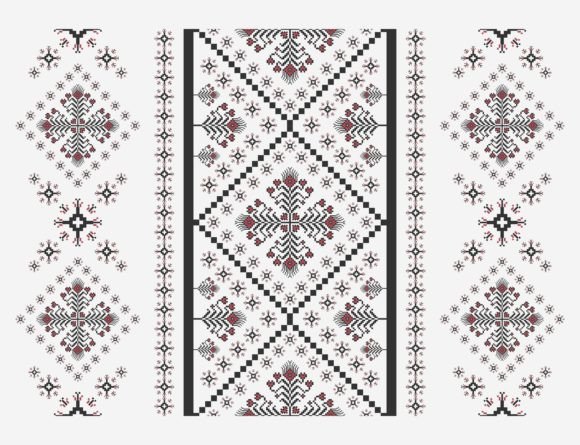
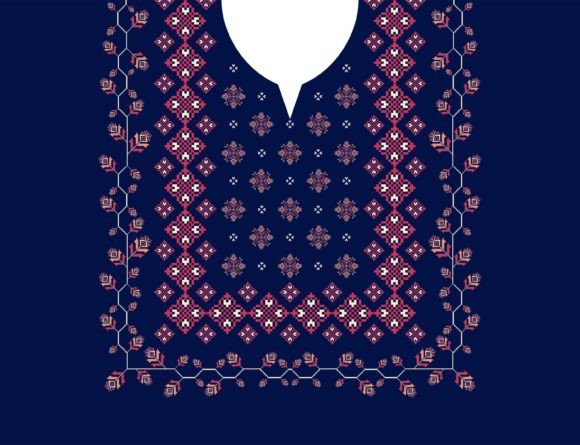
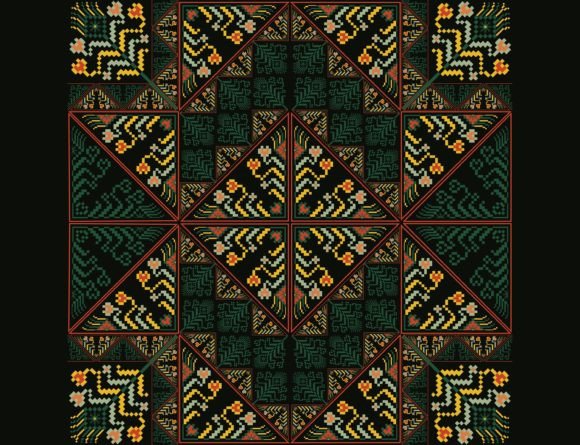
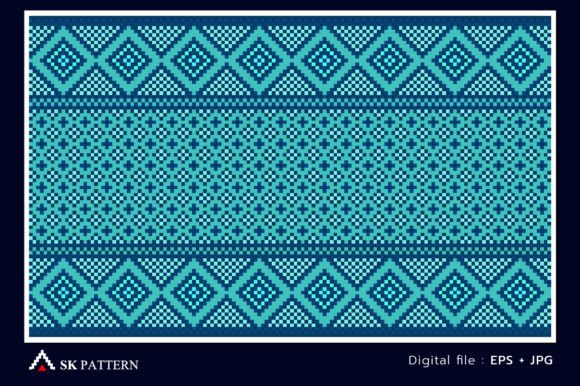
When I first opened the folder for Vector Pixel Ethnic Pattern Embroidery, I wasn't just looking at a pretty image; I was already thinking about the finished product. As someone who has spent years turning digital files into tactile, stitched reality for clients and my own shop, I know that a design can look perfect on a screen but fail miserably under the needle. This specific pattern brings a distinct mood to the table immediately. It feels grounded yet modern, blending traditional ethnic motifs with a crisp, pixelated edge that suggests a contemporary twist.
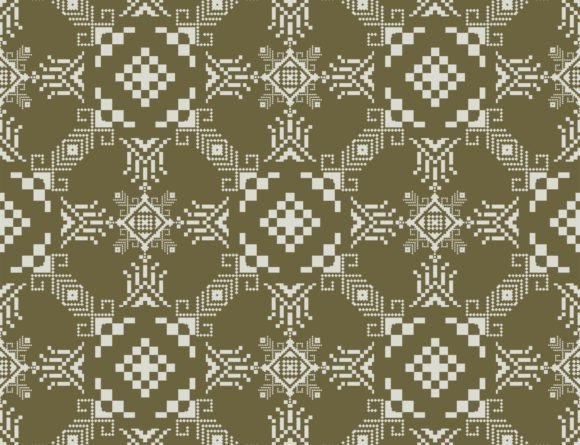
The first thing I noticed is how the shapes interact. Unlike some overly intricate designs that get lost in stitching, this one relies on bold geometric blocks. It creates a visual rhythm that is satisfying to the eye without being chaotic. For a designer evaluating this for a real project, the question isn't just "is it pretty?" but rather "how will this hold up when stitched onto fabric?" The answer, based on the file structure provided, points toward versatility. Whether you are an Etsy seller looking to stock seasonal items or a craft business owner creating custom gifts, this design offers a unique aesthetic that stands out from the sea of generic floral or script embroidery found everywhere else.
From Screen to Stitch: A Real-World Scenario
Let's imagine a practical scenario. You are preparing a line of boutique home goods for the upcoming holiday season. You need something that feels handmade and thoughtful but also has a professional finish. You decide to create a set of floor pillows and throw blankets featuring this design. When I visualize Vector Pixel Ethnic Pattern Embroidery on a heavy cotton canvas for a pillow cover, the pixelated edges translate beautifully into a fill stitch area. It adds texture without overwhelming the fabric.
However, if I were to take this same design and try to apply it to a delicate baby onesie using a very small hoop, I would pause. The density of the pattern might be too much for such a tiny surface area. This is where the judgment comes in. In a real-life workflow, I tested the layout mentally against various products. On a tote bag, the design would serve as a stunning focal point, perhaps centered on the front panel. The ethnic elements give it a global, artisanal feel that customers often associate with higher value. It elevates a simple canvas bag into a statement piece that looks like it belongs in a curated market stall rather than a mass-market store.
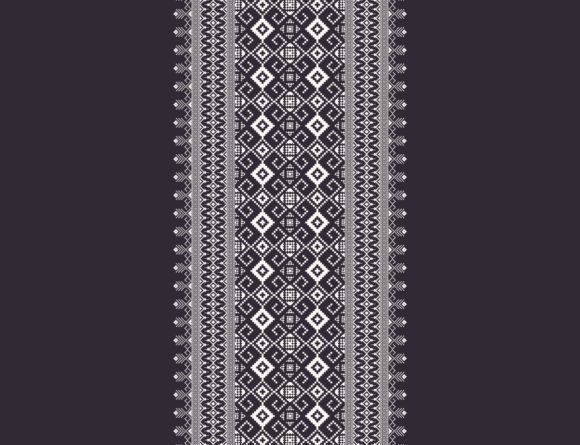
I also considered using this for gift wrapping or even as a motif on a kitchen towel. The clean lines work well on white or cream backgrounds, allowing the thread colors to pop. But here is the catch: if you are planning to use this for dark fabric, you must carefully select your thread palette. The contrast is key. Without high-contrast threads, those pixel details could blur together, losing the sharp character that makes this design special. It requires a bit more thought than a standard monogram, but the payoff in customer satisfaction is significant because the finished product looks intentional and crafted.
Navigating Fabric and Stitch Density
One of the most critical aspects of reviewing any embroidery file is understanding where it fits and where it struggles. Vector Pixel Ethnic Pattern Embroidery shines on stable, medium-to-heavy weight fabrics. Think denim, thick cotton blends, or structured upholstery fabric for cushions. These materials provide the necessary support for the stitches to stand up correctly, preserving the definition of the pixelated shapes.
Conversely, there are areas where caution is required. If you attempt to embroider this on stretchy jersey knit without proper stabilizer, the tension will likely distort the geometric grid. The design demands stability. Similarly, while the description mentions scarves and dresses, I would advise against using the full pattern on a lightweight silk scarf unless you are using a very light stitch density. Thin fabrics tend to pucker around dense fill areas, which can ruin the drape of the garment. For these applications, scaling down the design or using it as a border trim might be a smarter approach than centering the entire pattern.
Another tricky spot is curved surfaces like caps or hats. While many designers love adding patches to caps, a large, rectangular pixel pattern can look awkward on the rounded crown of a hat. It might fit better on the flat brim or as a side patch. The rigid nature of the pixel art doesn't always flow naturally with the curves of headwear. If you are a maker selling custom apparel, you want your products to look seamless. Testing this on a curved surface before committing to a bulk order is essential to avoid returns or disappointed customers.
Visual Appeal and Product Value
Why does this design matter for your bottom line? In the world of handmade goods, perception is everything. A well-executed machine embroidery design signals quality and care. Vector Pixel Ethnic Pattern Embroidery offers a sophisticated look that appeals to buyers looking for something unique. It bridges the gap between retro nostalgia and modern minimalism. When a customer sees a finished pillow or tote bag with this level of detail, they perceive the item as having higher value, which allows you to price your handmade product with confidence.
The clarity of the design also builds trust. There is nothing worse than receiving a personalized gift where the details are muddy or the stitches are uneven. By choosing a design with clear, defined shapes like this, you reduce the risk of technical errors during production. The pixelated style actually helps hide minor imperfections in thread tension better than a fine-line script might. It is forgiving enough for hobbyists but sharp enough for commercial standards.
For digital sellers, this design asset is a goldmine. You can create printable mockups showing the pattern on various textiles, from aprons to tapestries. The versatility allows you to market the same design across different niches—home decor, fashion, and accessories. This maximizes your return on investment for the purchase. However, remember that the success of the final product depends heavily on your execution. The file provides the blueprint, but your skill with thread colors and stabilizer choices determines the outcome.
Practical Notes for the Designer
Before you start stitching, there are a few non-negotiable steps to ensure success. First and foremost, always test the design on scrap fabric that matches your intended project material. This reveals how the stitch density interacts with the weave of the cloth. Check the hoop size requirements to ensure the design fits your machine's capabilities without needing excessive trimming or re-hooping.
Review the colorways. Since the file includes vector data, you have the flexibility to adjust colors, but make sure the contrast works for your chosen fabric. A light thread on a light background will disappear, while a dark thread on a dark background might get lost in shadows. Test your design in black and white mockups to see if the shape hierarchy holds up without the distraction of color.
If you are using this for commercial purposes, double-check the licensing terms. Some designs allow you to sell the finished physical item, while others restrict the number of units or require a separate commercial license. Clarity here protects your business from legal issues. Also, inspect the small details closely. Sometimes, tiny pixels can become solid blobs if the thread thickness is too heavy. Adjusting the thread weight or the machine settings can save the day.
Ultimately, Vector Pixel Ethnic Pattern Embroidery is a strong contender for your design library. It is not just a graphic; it is a tool for creating memorable, high-quality items. Whether you are making a heartfelt personalized gift for a friend or building a robust catalog for your Etsy shop, this pattern offers the visual depth and structural integrity needed to succeed. Just remember that great embroidery is a partnership between the digital file and the human touch. Use this design wisely, test thoroughly, and watch your creations come to life with a distinctive, pixel-perfect charm.