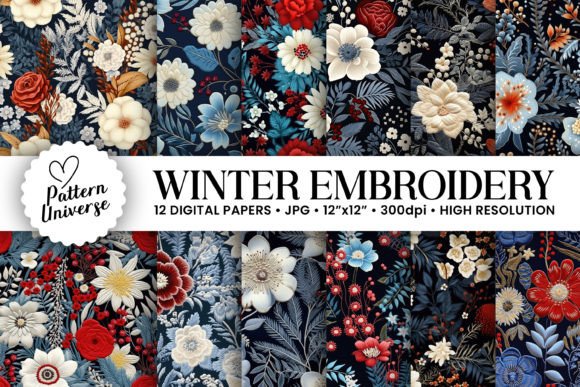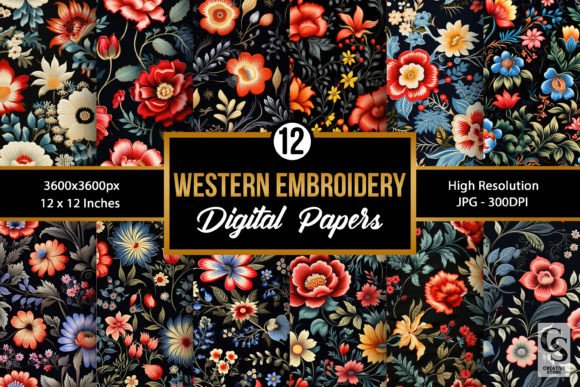
Blue Embroidery Flowers Digital Papers Review
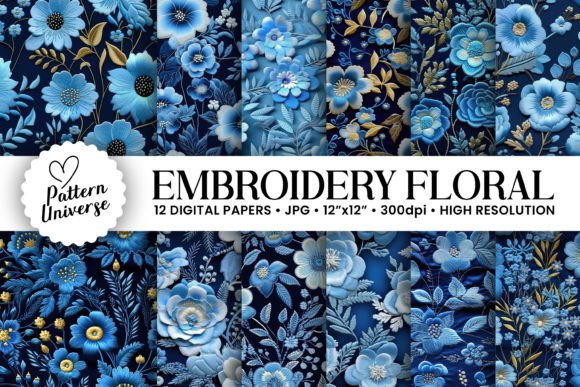
I have spent years reviewing digital assets for the embroidery community, and I have learned that a pretty image does not always translate to a successful stitch. When Blue Embroidery Flowers Digital Papers landed in my inbox, my first instinct was to look past the marketing copy and evaluate the visual personality of the patterns themselves. This collection promises twelve seamless designs intended for gift wrapping, greeting cards, and tumbler wraps, but as a designer who lives in the realm of thread and fabric, I needed to know if these graphics could survive the transition from screen to stitch.
The initial mood set by this pattern pack is undeniably serene. The blue tones evoke a sense of calm and trust, which is rare in a market saturated with neon brights and chaotic textures. Visually, the floral shapes feel organic rather than rigid, suggesting they would work beautifully on soft surfaces like cotton tea towels or linen pillow covers. However, before I committed to using them for a client project, I had to consider how these graphics function as actual embroidery design assets rather than just printable images.
From Screen to Stitch: A Real Project Scenario
To truly test the viability of Blue Embroidery Flowers Digital Papers, I decided to simulate a real-world scenario involving a custom boutique product. Imagine preparing a line of handmade baby blankets for a holiday market. These items require a delicate balance of detail and durability because they will be washed frequently and handled by small hands. I envisioned placing one of these seamless patterns on the corner of a blanket or perhaps creating an all-over fill on a receiving tote bag.
In this context, the color palette of the flowers becomes critical. Blue threads can sometimes appear muddy on certain fabrics if the shade is too dark or if the contrast against the background fabric is insufficient. If I were stitching this onto a light cream cotton, the blue flowers would pop with elegance. But if I attempted to use this design on a dark navy sweatshirt without significant underlay or a white backing layer, the details might get lost. The review process requires me to think about the finished product's value; a customer buying a $40 embroidered baby item expects crisp lines and clear definition. If the digital paper translates into a fuzzy mess due to poor thread selection, the brand reputation takes a hit.
Furthermore, the layout of the seamless patterns suggests versatility. For a craft business owner selling on Etsy, having a design that repeats seamlessly allows for efficient production on larger garments like aprons or table runners. It transforms a simple graphic into a cohesive textile print. However, I must caution that while the digital file looks perfect in a mockup, the physical reality involves thread tension, fabric grain, and hoop stability. A pattern that looks balanced on a screen might shift slightly when pulled tight in a hoop, so testing is non-negotiable.
Where These Patterns Shine in Commercial Use
Blue Embroidery Flowers Digital Papers finds its strongest application in projects where texture and softness are paramount. These designs are ideal for nursery decor, wedding gifts, and personalized home goods. The floral theme resonates well with buyers looking for traditional yet modern aesthetics. For instance, using these patterns on kitchen towels or dishcloths adds a touch of artisanal charm that mass-produced items lack. Small shop owners can leverage the seamless nature of the files to create unique branding elements, such as logos on packaging or tags attached to finished products.
For apparel decorators, this collection offers excellent potential for chest logos on polo shirts or back prints on denim jackets. The blue hues are versatile enough to match various corporate colors or seasonal themes, making them suitable for holiday embroidery campaigns. Additionally, the patterns work exceptionally well as backgrounds for monogramming. You could stitch the flowers lightly in satin stitch to create a textured backdrop, then overlay a name in a contrasting thread color. This technique elevates a standard personalized gift into a high-end bespoke item.
However, there are specific scenarios where caution is required. If you are working with stretchy fabrics like jersey knit for baby clothes, dense fill stitches within these floral patterns could cause puckering. In such cases, using a proper stabilizer is essential, and the design might need to be resized or simplified. Similarly, attempting to stitch these intricate flower details on a curved surface like a baseball cap can lead to distortion. The seamless nature of the pattern helps, but the curvature of the hat might break the flow of the design if not positioned carefully.
Practical Design Notes for the Professional Maker
Before integrating Blue Embroidery Flowers Digital Papers into your commercial workflow, there are several technical steps you must take to ensure success. First, always test the design on scrap fabric that matches your final material. This step reveals how the thread interacts with the weave of the cloth and whether the colors render as expected. Pay close attention to the stitch density; if the original digital file has areas of heavy fill, they may require adjustments to prevent needle deflection or fabric damage.
Thread color contrast is another vital factor. Since the source material is a digital paper, you have the freedom to choose any thread color, but you must ensure it stands out against your chosen fabric. If you plan to sell the finished items, consistency is key. Using the same thread shades across multiple products builds brand recognition and professional trust. Do not assume that a pattern that works for a tote bag will automatically work for a patch; patches often require tighter stitch counts and reinforced edges.
Another crucial consideration is the licensing terms. While the product description mentions usage for gift wrapping and invitations, it does not explicitly state the rights for commercial embroidery. As a responsible designer, you must verify whether you are allowed to sell finished goods created with these patterns. Some licenses restrict the number of units you can produce or require a separate commercial agreement. Ignoring this can lead to legal issues down the road.
Finally, inspect the small details of the flowers. In digital previews, fine lines often look sharp, but in embroidery, they can become blocked up if the stitch count is too low. If the design includes tiny petals or delicate stems, ensure they are large enough to be stitched clearly. Running stitch or satin stitch variations should be evaluated for their ability to hold shape over time, especially on items that will undergo frequent washing.
Final Thoughts on Visual Appeal and Value
The ultimate measure of a design asset is its ability to enhance the perceived value of the finished product. Blue Embroidery Flowers Digital Papers succeeds in creating a cohesive, elegant aesthetic that appeals to a wide range of customers. Whether used for a simple holiday gift or a complex boutique collection, these patterns offer a solid foundation for creative expression. They bridge the gap between digital convenience and tangible craftsmanship, allowing makers to focus on the artistry of the stitch rather than the struggle of sourcing a new motif.
By approaching this collection with a critical eye and a willingness to test thoroughly, embroidery designers and small business owners can unlock its full potential. The key lies in understanding the limitations of the medium and respecting the nuances of thread and fabric. When executed correctly, these blue floral patterns do more than just decorate; they tell a story of care, quality, and attention to detail that resonates deeply with buyers.
Remember, the difference between a good project and a great one often comes down to preparation. Check your hoop size, confirm your stabilizer choice, and review your thread colors against the fabric texture. With Blue Embroidery Flowers Digital Papers as your starting point, the possibilities for creating beautiful, functional, and profitable handmade products are endless.