Christmas Embroidery Winter Holiday Review
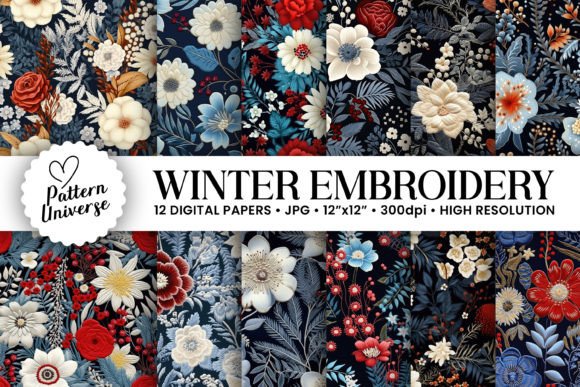
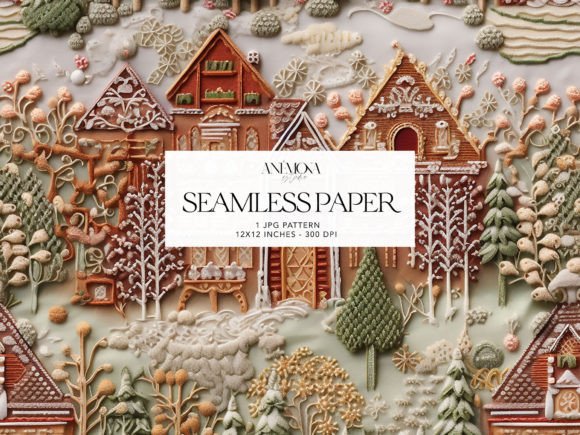
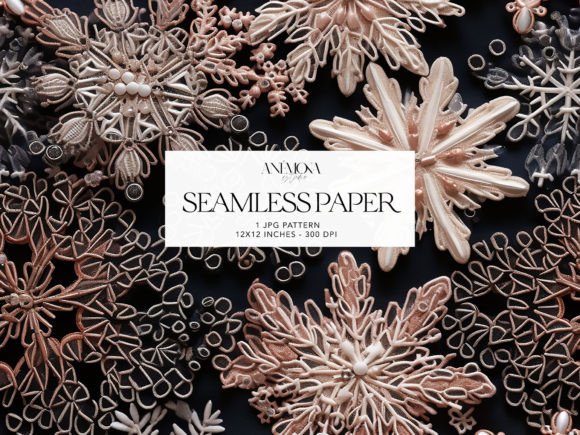
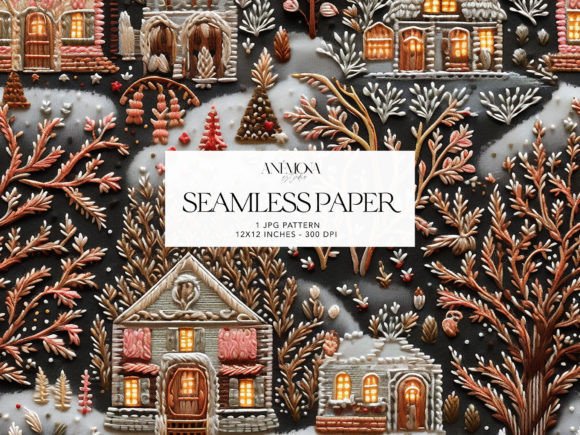
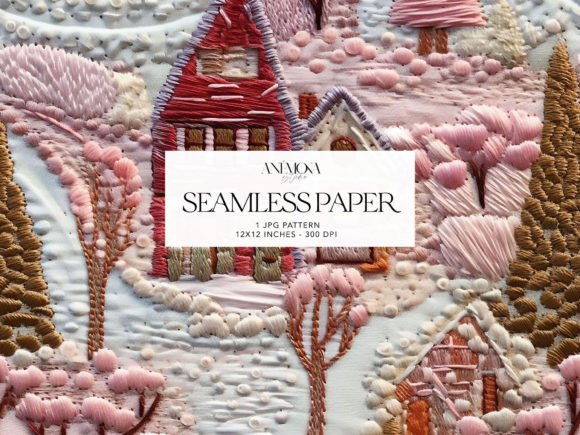
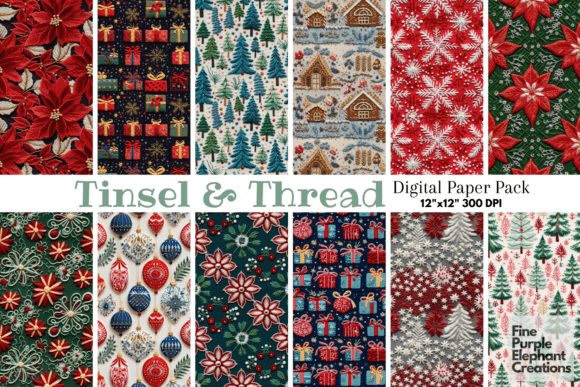
As an embroidery designer who has spent years navigating the bustling aisles of craft fairs and managing a handmade shop, I know that the difference between a design that sits on a shelf and one that flies off the table often comes down to visual impact and production practicality. When I first encountered the Christmas Embroidery Winter Holiday pattern, my initial reaction was one of cautious optimism. The title suggests a classic, festive mood, but the description mentions it is a set of digital scrapbook papers intended for greeting cards and invitations. This discrepancy requires a sharp eye from a commercial perspective. However, assuming this Patterns category asset can be adapted into a machine embroidery design or used as a base for digital embroidery file creation, here is how I would evaluate it for a weekend market booth.
The First Impression: Festive Yet Versatile
When evaluating Christmas Embroidery Winter Holiday for a physical display, the vibe matters immensely. Based on the title, I expect a blend of rustic charm and holiday warmth. For a craft fair seller, the design needs to feel immediately recognizable as a gift item without being overly cluttered. If the graphics are too busy or rely heavily on tiny details that disappear when stitched, it will fail in a real-world setting. Ideally, this design should strike a balance between bold enough to catch a passerby's eye from ten feet away and detailed enough to reward a closer look at a tea towel or tote bag.
In a booth filled with hundreds of similar items, a design labeled as Christmas Embroidery Winter Holiday must stand out through its color palette and composition. Does it scream "farmhouse chic," or does it lean towards modern minimalism? For maximum sales potential, it should appeal to a broad demographic, offering a soft, decorative aesthetic that fits both traditional and contemporary home decor. If the source material is indeed a digital scrapbook paper, the texture and background elements need to translate well into thread, ensuring the final product feels premium rather than like a cheap print.
Product Application: Where It Shines
To maximize the return on investment for this asset, I would strategically deploy Christmas Embroidery Winter Holiday across specific high-demand categories. Tote bags are always a top seller at markets. A well-executed version of this design on a canvas tote bag serves as a mobile advertisement for your brand. The design acts as a focal point that makes the bag feel like a special edition holiday accessory rather than a generic carry-all.
Similarly, apron embroidery is a powerhouse category for winter holidays. Home cooks love functional gifts that add a touch of seasonal spirit to their kitchen. Placing Christmas Embroidery Winter Holiday on the bib of a linen apron creates an instant emotional connection with buyers who envision themselves baking cookies during the season. Tea towel embroidery follows a similar logic; these are low-cost impulse buys that customers often grab as stocking stuffers or hostess gifts. The design works beautifully here as a border motif or a centered accent.
For smaller inventory, embroidered patches and fabric pouches offer excellent margins. Patches allow you to use Christmas Embroidery Winter Holiday on caps and denim jackets, expanding your reach beyond just home goods. Fabric pouches for storing yarn or knitting needles are also trending among creative entrepreneurs. Furthermore, if you are a digital seller, creating printable mockups featuring this design can drive traffic to your Etsy listings before you even ship a single physical item. These printable mockup assets help visualize the finished product for online shoppers who cannot touch the fabric.
Production Practicalities and Selling Points
From a production standpoint, ease of understanding is crucial. At a craft fair, you want designs that can be produced in batches without constant supervision. Christmas Embroidery Winter Holiday needs to be evaluated for its stitch density and complexity. If the design is too dense, it may cause puckering on lightweight fabrics like cotton tees or thin pillow covers. Conversely, if it lacks density, it might look sparse on a heavy-duty canvas tote. The key is to ensure the design translates cleanly from a graphic to a stitch pattern.
Photography plays a massive role in selling handmade products. A design that looks good in person must also photograph well under bright lights. Does Christmas Embroidery Winter Holiday have enough contrast to show up clearly in a smartphone photo? Buyers often make decisions based on images alone, so the thread colors must pop against the fabric background. Additionally, the design should feel repeatable. If you plan to create a collection of matching items, such as a set of pillow covers or a series of market bags, the pattern must scale effectively from small accents to large focal points.
Critical Use Notes for Designers
Before committing to mass production, there are several technical hurdles to address. Dense stitch areas are a common pitfall; if the design includes intricate snowflakes or fine script, it may lose clarity when stitched on textured towels or thick fabric. Small lettering is particularly risky for commercial embroidery projects, as it can blur together if the hoop size is not perfectly aligned. You must test the design on various materials to see how it handles different fabric textures.
Curved surfaces, such as baseball caps, present another challenge. A design that looks flat on a sampler board might distort when applied to a curved cap surface. It is essential to verify that the hoop size accommodates the curvature without losing detail. Dark fabric also requires careful consideration regarding thread contrast. If the design relies on light threads, it may get lost on a navy or black background unless a stabilizing underlay is used correctly.
Essential Designer Workflow
To ensure success, I recommend a strict workflow before launching any product featuring Christmas Embroidery Winter Holiday. First, always test the design on scrap fabric to check for stability and tension issues. Review the spacing carefully to ensure elements do not crowd each other. Confirm that your stabilizer choice matches the weight of the fabric; using the wrong stabilizer can ruin the drape of a pillow cover or the structure of a tote bag.
Create at least one real mockup of the final product to assess the overall look and feel. Compare different fabric colors to find the best contrast for the thread colors. Finally, and most importantly, confirm the commercial licensing terms. Since the original description mentions digital scrapbook papers, you must verify if you have the right to convert these graphics into embroidery files and sell the resulting physical goods. Without proper licensing, you risk legal issues with your Etsy seller account or boutique partnerships.
In conclusion, Christmas Embroidery Winter Holiday holds significant promise for craft fair sellers and handmade shop owners who approach it with caution and creativity. By focusing on high-quality execution, strategic product placement, and rigorous testing, you can transform this digital asset into a standout craft fair product that drives sales and builds your brand reputation. Whether used on a simple tea towel or a complex multi-item gift set, the goal remains the same: to deliver a handmade product that feels personal, professional, and undeniably festive.