Embroidery Christmas Seamless Paper Review
As an embroidery designer who spends weekends setting up booths at local craft fairs and managing a busy handmade shop, I know that the difference between a stall that sells out and one that gathers dust often comes down to the quality of the design assets used. Recently, I evaluated a new asset titled Embroidery Christmas Seamless Paper from Anemona Estudio with the specific goal of creating a cohesive collection for the upcoming holiday season. This review is based on my professional experience turning digital patterns into tangible, high-value products like tote bags, aprons, and tea towels.
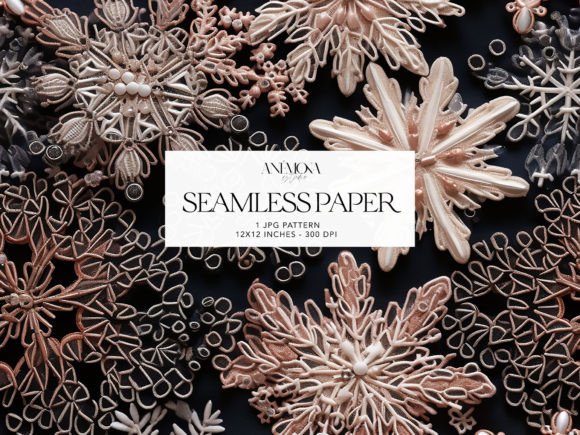
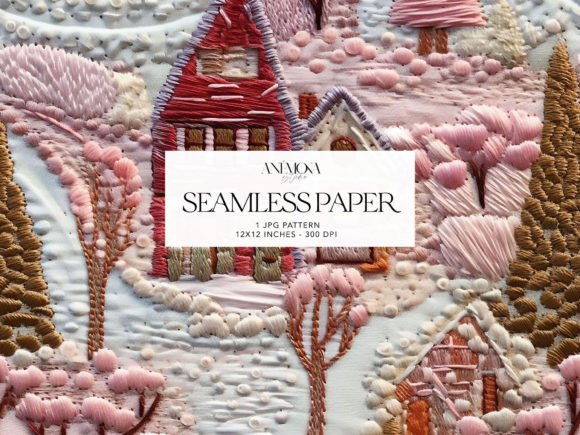
The first impression of this Embroidery Christmas Seamless Paper is undeniably festive and versatile. In the world of handmade goods, "seamless" is a powerful word. It suggests a pattern that repeats without visible breaks, which is exactly what you need when covering large surfaces like pillow covers or market bags. The description highlights it as a faux embroidery digital paper in JPG format at 300 dpi. For a machine embroidery design workflow, this is crucial because it means we aren't dealing with raw vector files that require heavy digitizing; instead, we have a visual reference that mimics the look of stitched thread. This allows us to use it as a background texture or a direct print-to-stitch guide, depending on our production method.
Visual Appeal and Booth Display Strength
When I imagine placing items featuring this Embroidery Christmas Seamless Paper on a craft fair table, the visual impact is immediate. A seamless pattern creates a sense of abundance and professionalism. Unlike a single isolated motif, a repeating design fills the space, making small items like embroidered patches or fabric pouches look more substantial and finished. The RGB color profile mentioned in the product details needs careful handling, but if the colors translate well to thread, this asset could serve as a perfect backdrop for smaller embroidered accents.
For Etsy sellers and boutique makers, the ability to create a unified brand look is paramount. Using this pattern across different categories—such as matching a set of tea towel embroidery designs with a complementary tote bag design—creates a strong brand consistency. Customers are drawn to collections that feel curated rather than random. This digital embroidery file concept allows for rapid prototyping of mockups. You can visualize how the pattern wraps around a cylinder (like a mug) or folds over a flat surface (like a pillow cover) before you even cut the fabric.
Production Versatility: From Aprons to Caps
The true test of any design asset is its performance on various substrates. Let's break down how Embroidery Christmas Seamless Paper performs on key craft fair products:
- Tote Bag Design: A seamless pattern works beautifully here. Instead of a single central logo, the entire canvas of the bag can be covered in a subtle, repeating Christmas motif. This adds depth and value, justifying a higher price point for the handmade product.
- Apron Embroidery: For kitchen-focused gifts, this pattern can frame the bib of an apron or run along the hem. It transforms a standard utility item into a decorative piece that fits the holiday aesthetic perfectly.
- Tea Towel Embroidery: This is perhaps the strongest application. A wide, seamless border on a tea towel is a classic seller. The 12-inch width mentioned in the specs is ideal for standard towel dimensions, allowing for a full-width repeat without awkward gaps.
- Embroidered Patch: If used as a background texture behind a focal character, this paper adds a layer of complexity that makes the patch pop. However, care must be taken with the stitch density.
- Pillow Covers and Market Bags: These large surface areas benefit most from the seamless nature of the design. It eliminates the need for complex alignment during the sewing process.
Practical Selling and Production Notes
While the visual potential is high, a professional designer knows that execution is everything. When working with a Embroidery Christmas Seamless Paper, you must consider how the design translates from a screen to fabric. The description notes it is a JPG file, which implies it is a raster image. If you plan to embroider directly from this, you will likely need to digitize the pattern or use it as a guide for appliqué and stitching over a printed background.
One critical factor for commercial embroidery is the clarity of the design at smaller sizes. If the pattern contains tiny details or intricate lettering, it may lose definition when scaled down for small accessories like caps or hair scrunchies. I recommend testing the design on scrap fabric first to ensure the stitch density holds up without causing puckering. Thick fabrics, such as denim for tote bags, require more aggressive stabilization to handle a dense, all-over pattern.
Another practical consideration is the contrast. The product is listed in RGB, which is a screen color mode. Thread colors do not always match RGB values perfectly. Before committing to a bulk production run for your booth, check the thread contrast against your chosen fabric. A light pattern on dark fabric might get lost, while a dark pattern on a textured towel might blend in too much. Always compare fabric colors physically, not just on a monitor.
Photography and Online Listings
For Etsy sellers and online boutiques, the photography of the final product is just as important as the embroidery itself. A seamless pattern photographs exceptionally well because it fills the frame with texture. When creating printable mockups for your listings, this asset allows you to show customers exactly how the design looks in context. It helps buyers visualize the product in their own homes, which increases conversion rates.
However, be mindful of how the pattern reads in black and white or grayscale for thumbnail images. Ensure the contrast is high enough that the design remains recognizable even when viewed small on a mobile screen. The 3600px width provides ample resolution for high-quality zoom features, allowing customers to inspect the fabric texture and simulated stitch work closely.
Essential Designer Checklist
Before adding this to your inventory, I advise following these steps to ensure a successful launch:
- Test on Scrap Fabric: Always run a test hoop with your intended stabilizer to check for tension issues.
- Review Spacing: Determine if the pattern works best as a full coverage or a border accent.
- Confirm Hoop Size: Ensure your embroidery machine can accommodate the width of the pattern repeat without needing to split the design.
- Inspect Stitch Density: Check if the "faux" look requires actual satin stitches or if it is better suited for a print-and-stitch technique.
- Create Real Mockups: Produce at least one physical sample to photograph for your booth display.
- Verify Licensing: Confirm commercial licensing terms before selling finished products derived from this design asset.
In conclusion, Embroidery Christmas Seamless Paper offers a robust foundation for building a cohesive holiday collection. Its seamless nature solves many alignment headaches and elevates the perceived value of simple items like tea towels and aprons. By treating it as a core component of your craft fair product strategy and paying close attention to thread selection and stabilizer choices, you can create stunning, high-quality handmade items that stand out in a crowded market. Whether you are a seasoned pro or a small shop owner looking to expand your Patterns and Graphics offerings, this asset provides the festive flair needed to drive sales this season.