Reviewing Embroidery Design for Boutique Apparel
As an experienced embroidery designer, I am always on the lookout for digital assets that can elevate a small clothing brand or a handmade shop. Recently, I examined a product titled Embroidery Design from Creative Fabrica to see if it would fit into my upcoming collection of boutique apparel and sweatshirts. This review is based on how this specific graphic asset might perform when translated into physical garments like hoodies, t-shirts, and denim jackets.
First Impressions and Visual Personality
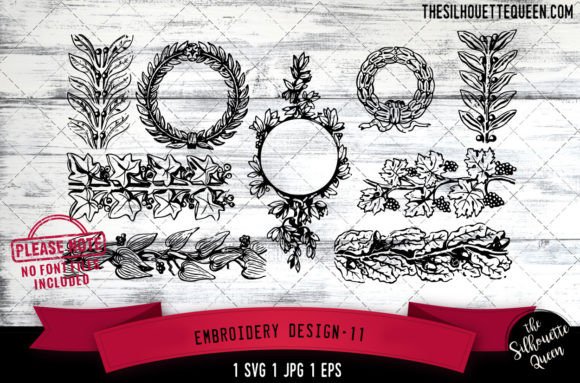
When you first open the files associated with Embroidery Design, the immediate goal is to assess its visual personality. Does it feel premium, casual, cute, bold, or perhaps rustic? The file package includes 1 EPS file, 1 PNG file, and 1 SVG file. While these formats are standard for graphics, they offer distinct advantages depending on your workflow. The SVG is particularly useful for vector-based editing if you plan to resize the design significantly before digitizing it for machine embroidery.
The aesthetic of Embroidery Design needs to be evaluated for its decorative strength. Is it minimal and trendy, or classic and detailed? For a boutique brand, the design must communicate a specific mood. If the design leans towards a playful or feminine vibe, it will pair exceptionally well with pastel hoodies and soft cotton blends. Conversely, if it has a bolder character, it could anchor a streetwear look on dark apparel or oversized garments. The initial judgment determines whether this piece fits your brand identity and buyer trust levels.
Application on Sweatshirts and Hoodies
One of the most popular applications for this type of graphic is sweatshirt embroidery. Imagine placing Embroidery Design on a neutral heather grey sweatshirt. The contrast provided by the thread colors against the fleece texture creates a cozy, seasonal outfit appeal. It works beautifully for hoodie chest placement, offering a subtle yet professional touch that customers love.
For sleeve accents, the design needs to be scaled appropriately. A smaller version of Embroidery Design on the left sleeve adds a unique detail without overwhelming the garment. However, if you are planning back designs, the full resolution of the EPS file becomes crucial. A large back print on a hoodie makes a statement, but the stitch density must be manageable to prevent puckering on the stretchy fabric of the sweatshirt material.
This design also shines on other custom apparel items. On t-shirt embroidery projects, it offers a clean finish that looks great in lifestyle product photos. Whether you are creating merchandise for a small shop or preparing listings for Etsy sellers, having a versatile design like Embroidery Design allows for creative freedom across different garment types.
Versatility Across Product Categories
Beyond standard clothing, Embroidery Design can transform tote bags and other lifestyle products. A tote bag made of canvas provides a sturdy surface where the design can stand out. When used for printable mockups, the high-quality PNG file ensures that your social media graphics look crisp and professional. This visual consistency is key for customer engagement and helps establish a recognizable boutique brand.
For commercial embroidery projects, the ability to use the design on various surfaces is a major plus. You might consider applying it to denim jackets for a rugged look or adding it to cozy seasonal outfits for holiday collections. The inclusion of multiple file formats means you can adapt the Embroidery Design for different production methods, ensuring that your finished product maintains high quality regardless of the medium.
Strategic Placement and Limitations
While the potential is high, there are areas where Embroidery Design requires careful consideration. Small chest placement demands precision; if the design is too intricate, it may lose detail when stitched at a reduced size. Dense stitch areas can cause issues on stretchy fabrics like jersey or ribbed fabric, leading to distortion.
Dark garments present another challenge. Thread color contrast is critical here. You must ensure that the chosen thread colors pop against the dark background of the apparel. Curved surfaces, such as the shoulders of a hoodie or the side of a hat, require special attention during the digitizing process to maintain the integrity of the design. Tiny lettering within the graphic should be avoided if the stitch count is low, as it may become illegible after washing.
Impact on Brand Identity and Value
Using a high-quality design like Embroidery Design directly affects the perceived value of your handmade product. Customers often judge the quality of a garment by the precision of the stitching. A well-executed design signals professionalism and builds buyer trust. It enhances product recognition, making your items instantly identifiable in a crowded marketplace like Etsy.
Visual consistency across your inventory strengthens your brand identity. When every item, from the smallest tote bag to the largest sweatshirt, features a cohesive design element, it creates a unified look. This attention to detail fosters customer loyalty and encourages repeat business. Furthermore, professional presentation in your online store can lead to higher conversion rates, as shoppers are more likely to purchase items that appear polished and thoughtfully designed.
Practical Designer Notes for Production
Before committing to a full production run, practical steps are essential. Always test on scrap fabric to see how the Embroidery Design interacts with your specific materials. Check stabilizer choice carefully; a heavy-duty cutaway stabilizer is often needed for dense designs on fleece to prevent shifting.
Review thread color contrast under different lighting conditions to ensure accuracy. Confirm hoop size limitations, especially if you are working with larger back designs that might exceed standard hoops. Inspect stitch density to avoid excessive bulk, which can make the garment uncomfortable to wear. Test on similar garment fabric to simulate real-world wear and tear.
Compare placement options to find the most flattering position on the final product. Finally, check Creative Fabrica product details and licensing terms thoroughly before selling finished apparel. Ensure you understand the rights granted by the Embroidery Design license to avoid any legal complications. By following these guidelines, you can confidently incorporate this graphic into your commercial embroidery projects, creating stunning boutique brands and successful small shop products.
In conclusion, Embroidery Design offers a solid foundation for apparel decorators and creative entrepreneurs looking to expand their offerings. With the right preparation and attention to detail, this graphic can become a staple in your collection of custom apparel and digital embroidery files.